The Star Festival

By Moni Ritchie Hadley, Illustrated by Mizuho Fujisawa ( Albert Whitman & Co. – 2021 )

On the day of Tanabata Maturi, the Star Festival, Keiko, her mama and her grandmother make tanzaku wishes.  Obaasan (grandmother in Japanese) tells Keiko the Tanabata Legend: The Emperor of the Heavens separates his daughter, Orihimme, from her love, Hikoboshi, all year.  On this day (July 7), the two stars finally reunite, crossing a bridge over the Milky Way.  At the celebration, Keiko and her family take in the colorful decorations and eat delicious food like nagashi somen.  But when Obaasan gets lost in the crowd, Keiko and Mama must make their own bridge to find her again- and see if their tanzaku wishes come true. >>>On the last pages, more information about Tanabata is found.

七夕の日に、Keikoと母親と祖母は、短冊に願い事を書いた。おばあさん(日本語の祖母)は、Keikoに七夕の伝説を話してくれた。”天に住む大王は彼の娘の織姫を、恋人の彦星から一年間遠ざけたが、この日(7月7日)に、天の川にかかる橋を通って二人が会える日とした。” Keikoは街の七夕祭りに家族と出かけ、色鮮やかな七夕飾りを楽しみ、流しそうめんやかき氷を味わった。しかし、人ごみの中でおばあさんを見失ったKeikoと母親は、おばあさんに会えるように自分たちの橋をかけてなくてはならない。そして短冊に書いた願い事が叶うかも知りたかった。>>>巻末に、より詳しい七夕の説明がある。

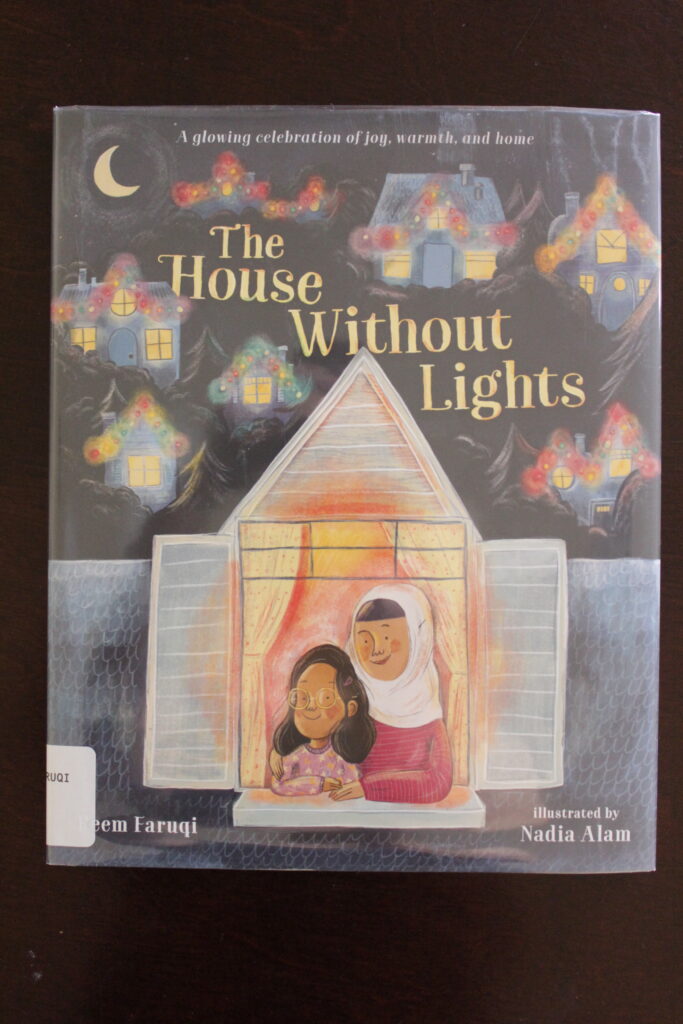
The House Without Lights

By Reem Faruqi, Illustrated by Nadia Alam (Henry Holt and Company-2024)

As the weather turns cold and snow starts to fall, all the houses in the neighborhood are decorated with lights.  All except House.  At first, House is confused- this is the time of year for holidays, isn’t it?  But instead of lights on the outside, House’s family fills it with warmth and joy on the inside.  Holiday or not, they love to be together, and House loves keeping them cozy.  Soon, House doesn’t even miss the lights.  Then, a few months later, House finally gets its turn to shine-for EID. >>> On the last page, found Author’s note telling about EID, big holidays Muslims celebrate. >>>> Reem Farugi’s books in SHI collection.

気候が寒くなり雪が降り始める頃になると、近所の家々はライトで飾られた。すべての家が、でもその家は例外であった。はじめ、その家は混乱した。一年のこの時期は、ホリデーのはずだったよね?でも、外のイルミネーションのライトの代わりに、その家の家族は暖かさと喜びで家の中をいっぱいにした。ホリデーシーズンに関係なくその家族は愛情を交わし合い、その家はいつも通りみんなに快適な居場所を提供する喜びを味わった。じきにその家は、ライトで飾られることを忘れられてはいなかったのが解った。そして数カ月たつと、とうとうその家にはEIDの祝いの明かりが灯された。>>>巻末に作者からのEID(イスラム教の大きな祝日)の説明がある。>>>>SHIコレクションにあるReem Farugiの作品

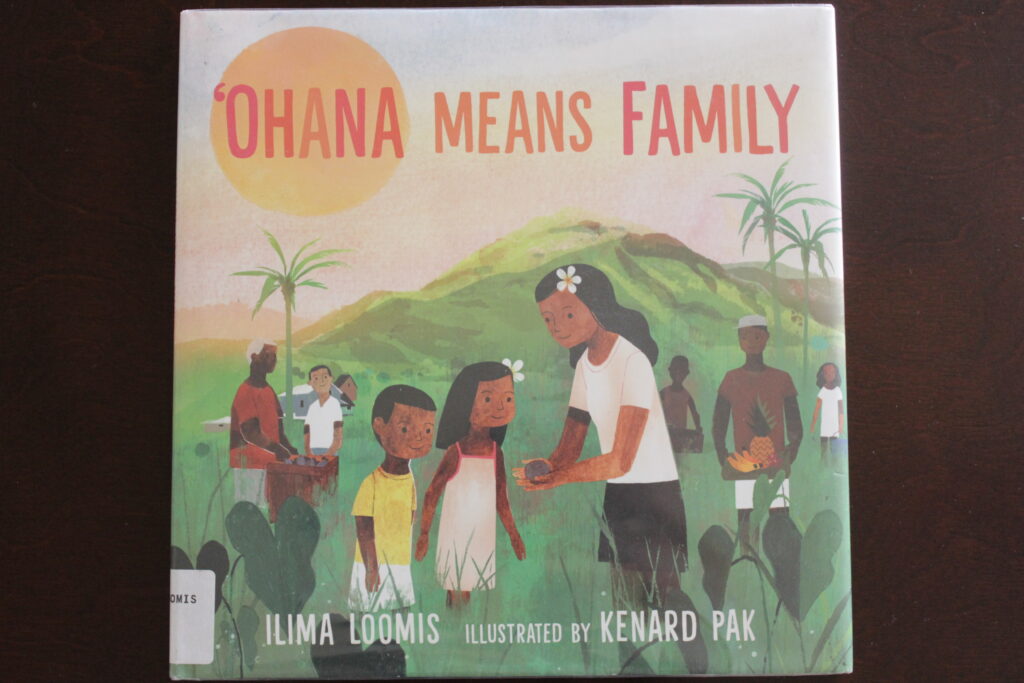
Ohana Means Family

By Ilima Loomis, Illustrated by Kenard Pak (Neal Porter Books – 2020 )

What makes the tradition of a Hawaiian Luau unique? Golden light, home-grown food, and ancient land, a loving family, and so much more.  Preparations for a luau unfold and elegantly grow in complexity in this distinctive picture book written in cumulative style and illustrated by exquisite illustrations. >>> On the last page, found “ A note on Kalo (the taro plant) and Poi”, Author’s note and Glossary of Hawaiian words.

ハワイの伝統であるルアウ(会食)が特別である理由を知っているかい? 黄金色の太陽、自家栽培の食物、そして昔からの土地や愛する家族、他にも沢山。ルアウを行うまでの準備が詳細に描かれ、無駄なくすべてのものが関わり合っていることを、文章が累積されてゆく書き方と巧みなイラストで、この素晴らしい絵本は語っている。>>>巻末に”Kalo(タロイモを根に宿す植物)とPoi(タロイモを磨り潰した食ベ物)”、作者の言葉、そしてハワイ語の言葉集が記載されている。

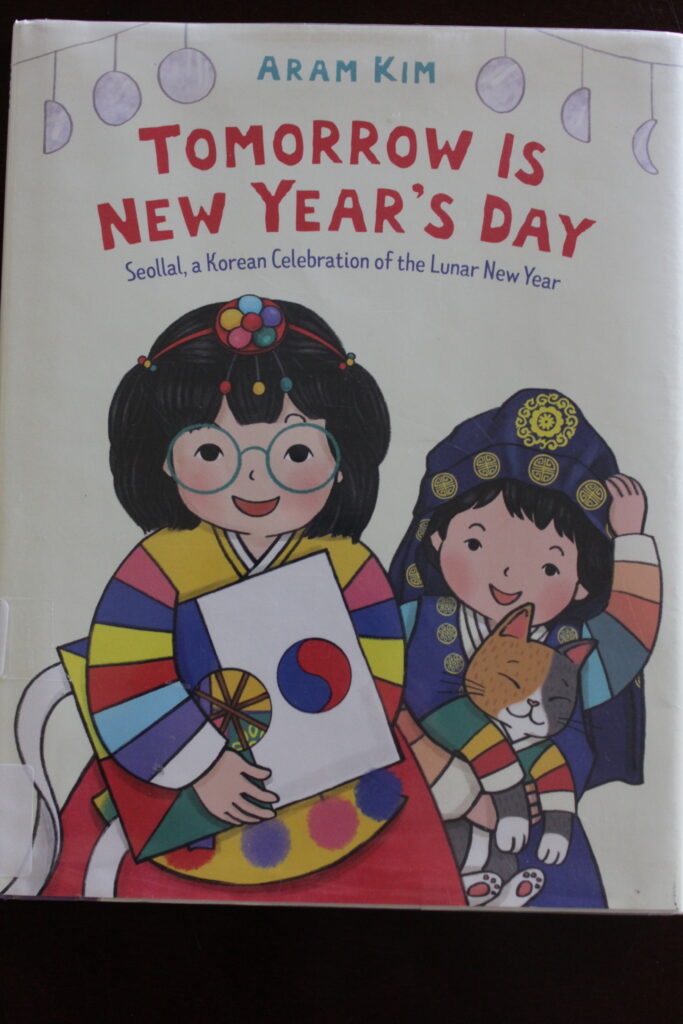
Tomorrow is New Year’s Day : Seollal, a Korean Celebration of the Lunar New Year

By Aram Kim ( Farrar Straus Giroux – 2022 )

Mina can’t wait to share the customs of Korean Lunar New Year’s Day with all her friends at school. She will show her classmates her colorful hanbok (traditional Korean outfit) and demonstrate how to do sebae (New Year’s greeting to show respect for elders), and then everyone will make tasty tteokguk (rice cake soup for New Year’s Day) in the cafeteria. Yum! Her little brother may even join in on the fun…..if she can find a way out of his bad mood. >>> On the last pages, found a glossary of Korean terms, with pronunciation guide.

Minaは学校の友達に韓国の旧正月を紹介するのが待ち切れなかった。彼女は、韓国の色鮮やかな伝統的な衣装を着て、年配者達に敬意を示す正月の挨拶を実際にしてみる。それから、キャフェテリアで正月に食べる雑煮を皆で味わうのである。早く食べたい!彼女の弟も、この楽しい催しに参加出来るのだが、、、もし、彼女が弟の不機嫌を治す方法を見つければ。>>>巻末に韓国語の単語集があり、各語の説明と発音記号が付いている。

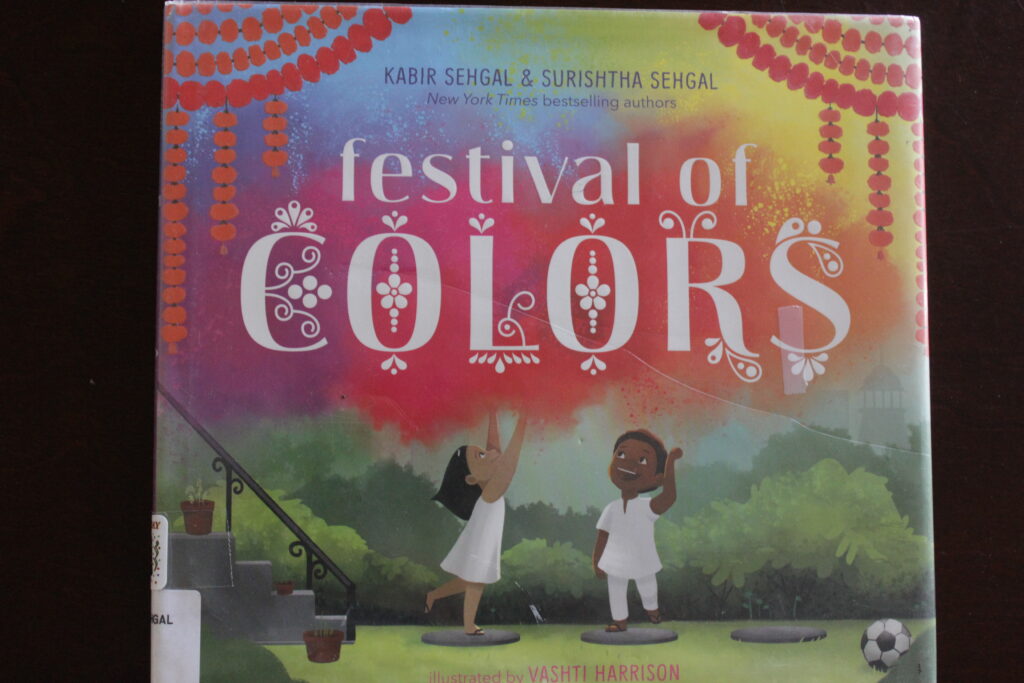
Festival of Colors

By Kabir Sehgal & Surishtha Sehgal, illustrated by Vashti Harrison ( Beach Lane Books – 2018 )

Spring is here, and it’s almost time for Holi, the Indian Festival of Colors. Siblings Chintoo and Mintoo are busy gathering flowers to make into colorful powders to toss during the festival. And when at last the big day comes, they gather with their friends, family, and neighbors for a vibrant celebration of fresh starts, friendship, forgiveness, and, of course, fun! >>> On the last page, found more explanation of Holi.>>>> Kabir Sehgal & Surishtha Sehgal are son and mother team. Kabir Sehgal & Surishtha Sehga’s books in SHI collection.

春がやって来る、そして色のお祭りHoliもやって来る。Chintoo と Mintoo の姉弟も、祭りに使う色の粉を準備する為に、花を摘むのに忙しくなった。そして、とうとうその日がやって来ると、友達や家族や近所の人達が集まり 新しい季節、友情、許し、などを祝う色鮮やかな粉を互いに浴びた。それは何よりも楽しい祭りであった。>>>巻末にHoliについてのより詳しい説明がある。>>>>Kabir Sehgal と Surishtha Sehgalは、息子と母親のチームである。SHIコレクションにあるKabir Sehgal & Surishtha Sehgalの作品

José Feliciano’s Feliz Navidad : Two Stories Celebrating Christmas

Song lyrics by José Feliciano, Illustrated by David Diaz ( Cartwheel Books – 2003 )

As presenting the lyrics of José Feliciano’s song “Feliz Navidad” and illustrated by Caldecott Medal winner David Diaz, this unique flip book features two different:José Feliciano came from Puerto Rico to New York, yet traditional, Christmas celebrations!>>>”Feliz Navidad” was born blind in Perto Rico and at age five moved to New York. He wrote “Feliz Navidad” one cold North American Christmas season, when at age twenty four, he was homesick for his native Puerto Rico.

José Feliciano(ホセ・フェリシアーノ)の有名なクリスマスソング”Feliz Navidad” (フェリス・ナビダッド:スペイン語のメリークリスマス)に、Caldecott Medal 受賞者のDavid Diazがイラストを描いたこの絵本は、二つの異なる文化を融合させながら伝統的なクリスマスを祝っている。>>>José Felicianoは生まれながらの全盲で、5歳の時にプエルトリコからニューヨークに移民した。彼が24歳の時、1969年の寒い北アメリカのクリスマスシーズンに故郷のプエルトリコを恋しがりながら “Feliz Navidad” を作詞作曲した。

The Runaway Rice Cake

By Ying Chang Compestine, Illustrated by Tungwai Chau (Simon & Schuster Books for Young Readers – 2001 )

It’s the Chinese New Year, and the Chang Family has only enough rice flour to make one nián-gão, a special New Year’s rice cake, for the entire family to eat. But this delicious little nián-gão has other ideas. “Ai yo! I don’t think so!” it cries, coming to life and escaping. Ming, Cong, little Da and their parents chase the nián-gão all over the village until it runs into a hungry, old woman and sends her tumbling to the ground. Though Da is a small boy, his heart is big enough to share the treat with her, even though that leaves Da’s family with nothing to eat for their own celebration. But the Changs’ generosity doesn’t go unnoticed. When they return home, they find the Kitchen God has left a wonderful surprise for them.>>> On the last pages, found about Celebrating Chinese New Year and instruction how to make nián-gão.>>>> Ying Chang Compestine’s books in SHI collection.

中国の旧正月である。しかしChang一家には、旧正月の餅を作るのに一つ分の粉しかなかった。しかし折角家族全員の為に作った小さな餅 nián-gão は、いきなり飛び上がり逃げ出してしまった。なんと生命を得て、「食べられるのなんかいやだよ!」と叫びながら走り回った。Ming, Cong, そして最年少の Da の3人兄弟と両親は、nián-gão を追いかけて村中を駆け巡った。空腹で弱弱しい老女にぶつかって、旧正月の餅はやっと捕まった。Daは家族のなかで一番小さかったが大きな心の持ち主であり、その餅を空腹な老女に提供することに同意した。結局家族は正月を祝う食べ物は何もなくなった。しかし、Chang一家の親切心は無駄にはならなかった。家に帰ると台所の神様は、予期せぬご馳走を用意してくれていた。>>>巻末に、中国の旧正月についての説明とnián-gão のつくり方がある。>>>>SHIコレクションにあるYing Chang Compestineの作品

First Laugh : Welcome, Baby!

By Rose Ann Toha and Nancy Bo Flood, Illustrated by Jonathan Nelson ( Charlesbridge – 2018 )

A Navajo baby spends time with members of his family, each of whom tries to get him to laugh for the first time. Will it happen while eating dinner in the family’s city apartment? Or maybe it’ll be while riding horseback with Grandmother across the mesa. Brother and sister both try. Papa tickles baby’s toes. Mama sings. Grandfather holds the baby up high. In Navajo families, the first person to get a new baby to lough hosts the First Laugh Ceremony. Who will it be? >>>On the last pages, found Authors’ Notes and Illustrator’s Note as well as presenting several cerebrations for children in different cultures.

ナバホ族の赤ちゃんが家族と共に過ごすとき、誰が一番初めに赤ちゃんを笑わせることが出来るか皆それぞれに試してみる。それは、家族の町にあるアーパートで夕食時に起こるかも知れないし、又は祖母と馬に乗って高原を移動している時に起こるかも知れない。兄や姉も試してみる。父親は足の指をくすぐり、母親は歌を歌う。祖父は赤ちゃんを高く抱き上げた。ナバホ族の家族では、赤ちゃんを最初に笑わせた人が、”初笑いの祝い”をホストする。さあ、誰になるだろうか?>>>巻末のページに、作者達とイラストレーターからの挨拶があり、異なる文化による多彩なる子どもの祝いも紹介している。

Wait! It’s Friday

By Chris Barash, Illustrated by Christine Grove ( Apples and Honey Press – 2019 )

Today is Friday. On Fridays, I wait…and I wait…and I wait. A young child waits for something special as he plays with the cat, makes challah with Daddy, paints a picture with Nana, and takes a trip to the grocery store. Finally, the waiting is over. It’s Shabbat!

今日は金曜日!金曜日は、待って、、、待って、、、そして待って。少年が何かを待ち続ける、猫と遊びながら、父親とハラーのパンを準備しながら、祖母と絵を描きながら、そして食品の買い物に出かけたりしながら。ついに、待つ必要がなくなった!シャバット(ユダヤ教では金曜日の日没から土曜日の日没までが安息日となり金曜日の夜はご馳走が用意され家族そろって食事する)の始まりだ。

Masala Chai, Fast and Slow

By Rajani LaRocca, Illustrated by Neha Rawat ( Candlewick Press – 2023 )

Aarav is fast, fast, fast…..and his grandfather, or thatha, is slow, slow, slow. Every day, Thatha makes masala chai for the family, and no matter how much Aarav urges him to hurry, Thatha insists on taking his time “Masala chai cannot be rushed, ” said Tahatha. “It must be made carefully.” When a minor accident leaves Thatha resting on the couch, Aarav wants to make the chai himself to help his grandfather feel better. But, no matter how hard he tries, everything turns into a big mess. Will Aarav be able to slow down and get the recipe right? >>> On the last pages, found Author’s note and the recipe of masala chai.

Aaravは急げ、急げ、急げ、、、、そして彼の祖父はゆっくり、ゆっくり、ゆっくり。毎朝祖父はマサラチャイを家族の為に作り、Aaravがいくら急がせても祖父は時間をかける。祖父曰く「マサラチャイは急いで作るのではない。注意深く気を配ってる作るのだ。」祖父がちょっとした事故で椅子に座っていなくてはならなくなった時、Aaravは祖父を元気ずける為に自分でチャイをつくってみたかった。しかし、いくら彼が試しても、まったく上手くゆかなかった。Aaravは落ち着いて時間をかけた調理法に従えれるだろうか?>>>巻末に作者の言葉と、マサラチャイの調理法がある。